Solo Batik Design: A Timeless Craft with a Modern Twist
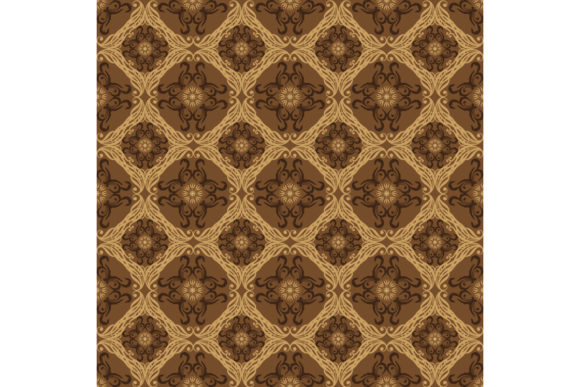
Solo Batik Design is a unique form of textile art that originates from the city of Solo in Central Java, Indonesia. Known for its intricate patterns and vibrant colors, this traditional craft has evolved over time, incorporating contemporary elements to appeal to modern tastes. One such evolution is the emergence of Modern circle patterns on typical Solo batik with brown golden color design, which blends tradition with innovation to create visually striking and versatile textiles.
The Essence of Solo Batik Design
Solo Batik is distinguished by its meticulous craftsmanship and symbolic motifs. Unlike other batik styles, Solo Batik often features geometric shapes and abstract designs that reflect the region’s cultural heritage. The process involves applying wax to fabric before dyeing, creating patterns that are both durable and aesthetically rich. This technique, known as batik tulis, requires skilled artisans who use hand-carved tools called cap to stamp intricate patterns onto the fabric.
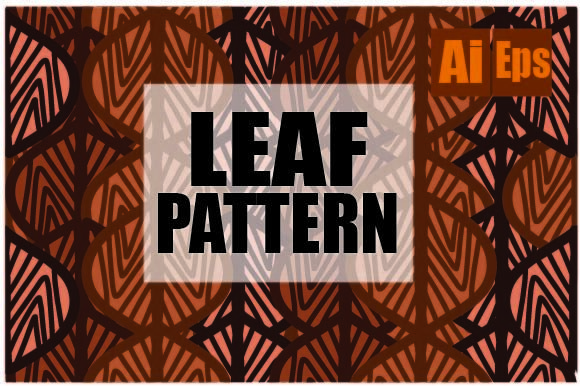
The Modern circle patterns variation introduces a fresh perspective by simplifying traditional motifs into circular forms. These circles can be layered, overlapping, or spaced apart to create depth and rhythm on the fabric. When paired with brown golden color design, the result is a sophisticated palette that evokes warmth, elegance, and a sense of luxury.
Comparing Solo Batik Design with Other Batik Styles
While Solo Batik is celebrated for its geometric precision, it differs significantly from other Indonesian batik styles like Pekalongan or Yogyakarta batik. For instance, Pekalongan batik is more floral and naturalistic, whereas Yogyakarta batik often features more elaborate and symbolic patterns. Solo Batik, on the other hand, leans toward abstraction and structured composition, making it ideal for those who appreciate minimalism within traditional art forms.
The Modern circle patterns in Solo Batik stand out when compared to more traditional batik designs. Instead of focusing on complex motifs like parang (a jagged pattern symbolizing strength) or truntum (a stylized flower), the circular motifs offer a cleaner, more contemporary look. This makes them particularly suitable for modern interiors, fashion, and home décor.
In terms of color, the brown golden color design adds a unique dimension to Solo Batik. While traditional batik often uses bright and bold colors, the earthy tones of brown and gold provide a more subdued and elegant appearance. This combination works well for those looking to incorporate traditional elements without overwhelming their surroundings.
Strengths and Tradeoffs of Solo Batik Design
One of the primary strengths of Solo Batik Design is its versatility. Whether used in clothing, upholstery, or decorative items, the Modern circle patterns and brown golden color design can complement a wide range of interior and fashion aesthetics. The geometric nature of the design allows it to blend seamlessly with both traditional and modern settings.
However, there are tradeoffs to consider. Solo Batik, especially the handcrafted variety, tends to be more expensive than machine-produced alternatives. Additionally, the complexity of the batik tulis method means that production times are longer, which may not be ideal for those seeking quick turnaround times.
Another consideration is the maintenance of these fabrics. While Solo Batik is durable, the wax-resist dyeing process can make the fabric slightly more delicate compared to synthetic materials. Proper care, such as gentle washing and avoiding direct sunlight, is essential to preserve the integrity of the design.
When Is Solo Batik Design the Right Choice?
Solo Batik Design, particularly the Modern circle patterns on typical Solo batik with brown golden color design, is an excellent choice for individuals or businesses looking to add a touch of cultural richness to their spaces or products. It is especially well-suited for:
- Interior design: Use in cushions, curtains, or wall hangings to add texture and visual interest.
- Fashion: Incorporate into clothing lines that emphasize cultural heritage while maintaining a modern edge.
- Gifts and decor: Ideal for creating bespoke items that carry meaning and uniqueness.
However, if you're looking for something more affordable or mass-producible, alternative options like digital prints or machine-made batik may be more appropriate. These alternatives can mimic the look of Solo Batik but lack the handcrafted authenticity and depth of detail.
Evaluating Alternatives and Decision Factors
When evaluating Solo Batik Design against other options, several factors come into play. Cost, availability, and intended use are among the most important considerations. If budget is a concern, digital printing offers a cost-effective way to achieve similar visual effects, though it lacks the tactile quality and craftsmanship of hand-painted batik.
For those prioritizing sustainability, it's worth noting that traditional Solo Batik uses natural dyes and organic cotton, aligning with eco-friendly values. In contrast, some mass-produced alternatives may involve synthetic dyes and non-organic materials.
Another decision factor is the level of customization. Solo Batik Design allows for bespoke creations, where patterns and colors can be tailored to specific preferences. This flexibility is less common in commercial alternatives, which tend to follow standard templates.
Real-World Applications and Examples
To better understand how Solo Batik Design can be applied, consider a few real-world examples. A designer might use the Modern circle patterns on typical Solo batik with brown golden color design to create a line of minimalist scarves that appeal to a global audience. Similarly, an interior decorator could incorporate these patterns into custom-made cushions or drapes that elevate a room’s aesthetic without being overpowering.
In the fashion industry, brands have successfully integrated Solo Batik into their collections by using the Modern circle patterns as a base for modern silhouettes. The brown golden color design adds a subtle richness that works well with neutral palettes, making it adaptable to various seasons and trends.
For home décor, Solo Batik can serve as a statement piece in a living room or bedroom. The circular motifs can be arranged in repeating patterns to create a sense of movement and balance, while the warm tones bring a cozy and inviting feel to any space.
Conclusion
Solo Batik Design, with its Modern circle patterns on typical Solo batik with brown golden color design, represents a beautiful fusion of tradition and modernity. Its distinctiveness lies in the combination of geometric precision, cultural symbolism, and a refined color palette that appeals to contemporary sensibilities. Whether you're a designer, a homeowner, or a collector, understanding the nuances of Solo Batik can help you make informed decisions about its application and value.