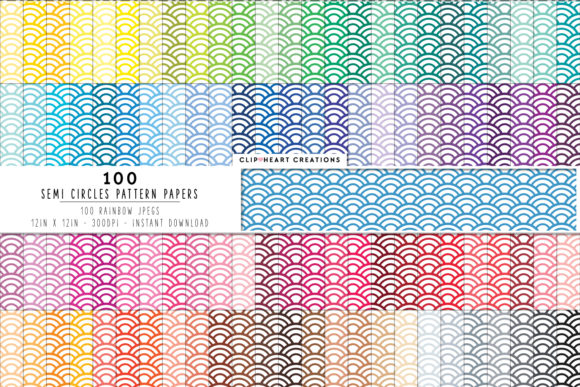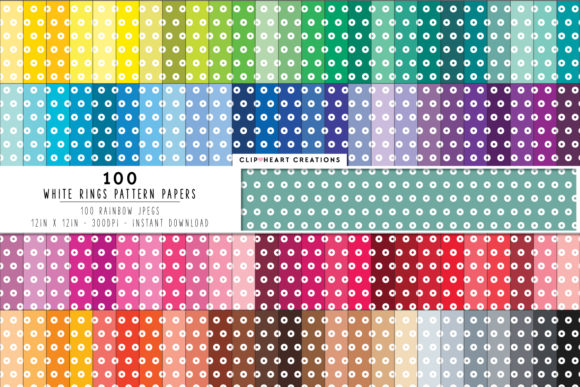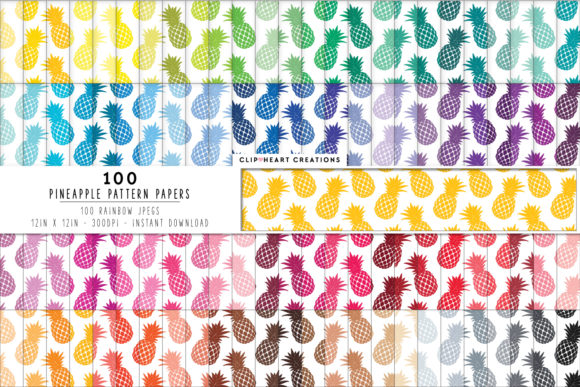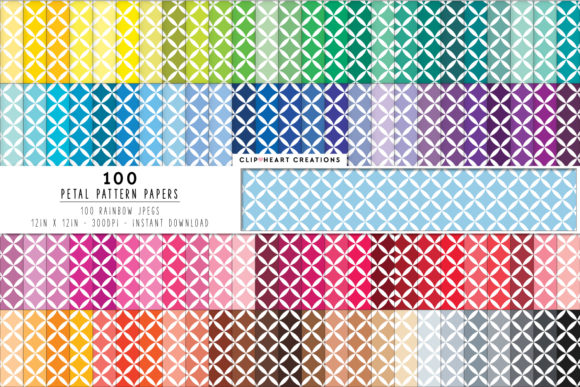
100 Japanese Wave Pattern
Designers, creators, and professionals often seek versatile tools to elevate their work. The 100 Japanese Wave Pattern collection offers a unique set of digital papers that can transform the way you approach creative projects. With its distinct aesthetic and practical benefits, this resource is ideal for those looking to enhance visual appeal without compromising on quality or usability.
What Is 100 Japanese Wave Pattern?
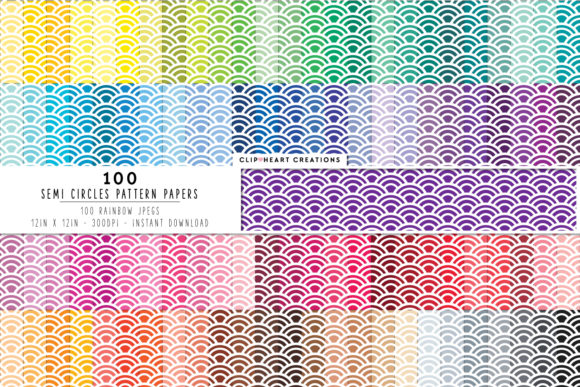
The 100 Japanese Wave Pattern consists of 100 high-resolution digital papers in JPEG format. Each file is saved separately at 300 dpi, ensuring clarity and sharpness for both print and digital use. The dimensions are standardized at 12″ x 12″, making them easy to integrate into various design workflows. All files are watermarked-free, and they measure 3600×3600 pixels, offering a balance between detail and file size.
Unlike seamless patterns, these designs are not intended to repeat continuously. This means they can be used as standalone backgrounds, textures, or overlays, providing more flexibility in how they are applied within a design project.
Why It Matters For Designers And Creators
For professionals who rely on visual elements to communicate ideas, the 100 Japanese Wave Pattern provides a valuable asset. These patterns can serve as a foundation for branding materials, social media graphics, website headers, and even packaging designs. Their wave-like structure adds a sense of movement and fluidity, which can be particularly effective in creating engaging content.
One of the key advantages of using these patterns is the ability to customize them to fit specific needs. Whether you're designing for a client, personal project, or business, having access to a variety of options allows for greater creativity and adaptability.
Practical Benefits Of Using 100 Japanese Wave Pattern
- Enhanced Visual Appeal: The elegant wave design can elevate the overall look of any project, making it more visually appealing and professional.
- Time-Saving: Instead of creating custom textures from scratch, designers can quickly incorporate these pre-made patterns into their workflow, saving time and effort.
- Consistency In Design: Using a consistent pattern across different projects helps maintain brand identity and ensures a cohesive look throughout all visual assets.
- Flexibility In Use: Since the patterns are not seamless, they can be layered or combined with other elements to create unique compositions tailored to specific goals.
Who Can Benefit From 100 Japanese Wave Pattern?
The 100 Japanese Wave Pattern is especially useful for a wide range of users, including:
- Graphic Designers: Looking for fresh texture options to add depth and interest to their work.
- Marketers: Seeking to create eye-catching visuals for campaigns, social media posts, or advertisements.
- Entrepreneurs: Building brand identities and promotional materials that stand out in a competitive market.
- Freelancers: Needing versatile design resources to offer clients a wider range of creative solutions.
- Hobbyists: Exploring new design techniques and experimenting with different visual styles.
Each of these groups can benefit from the versatility and quality offered by the 100 Japanese Wave Pattern, allowing them to focus more on their core objectives and less on the technical aspects of design.
Real-World Applications
Consider a scenario where a small business owner is launching a new product line. By incorporating the 100 Japanese Wave Pattern into their packaging and marketing materials, they can create a distinctive and memorable brand identity. The wave design adds a sense of motion and energy, which can resonate well with target audiences.
Another example is a blogger who wants to enhance their website's visual appeal. By using one of the 100 Japanese Wave Pattern files as a background for blog posts or featured images, they can immediately elevate the overall look of their site, making it more engaging for readers.
Limitations And Considerations
While the 100 Japanese Wave Pattern offers many benefits, it's important to consider its limitations. As mentioned earlier, these patterns are not seamless, which means they may not be suitable for large-scale applications that require continuous repetition. Additionally, while the resolution is high, the file size should be taken into account when working on projects with strict file size constraints.
It's also worth noting that the effectiveness of these patterns can vary depending on the context in which they are used. For instance, certain designs might work better for print materials than for digital presentations. Therefore, it's recommended to test the patterns in different environments before finalizing their use in a project.
Recommendations And Observations
To maximize the value of the 100 Japanese Wave Pattern, consider the following recommendations:
- Experiment With Combinations: Try layering different patterns to create unique visual effects that suit your specific project needs.
- Use In Different Formats: Explore how these patterns perform in various formats such as print, web, and mobile applications.
- Stay Updated: Keep an eye on new design trends and see how the 100 Japanese Wave Pattern can be adapted to meet evolving design standards.
- Compare Options: If you're unsure about the best pattern for your project, consider comparing different options to find the one that aligns most closely with your goals.
By thoughtfully integrating the 100 Japanese Wave Pattern into your design process, you can unlock new creative possibilities while maintaining a high level of professionalism and quality in your work.