Leaf Pattern Design Vector: A Timeless Element in Modern Digital Creativity
In the ever-evolving world of design, certain elements remain timeless. One such element is the Leaf Pattern Design Vector, a versatile and elegant motif that continues to captivate creators and professionals alike. Whether you're designing for fashion, web interfaces, or digital art, the leaf pattern offers a unique blend of nature-inspired aesthetics and modern adaptability. This article explores the relevance of Leaf Pattern Design Vector, its evolution, and how it fits into today’s creative landscape.
The Essence of Leaf Pattern Design Vector
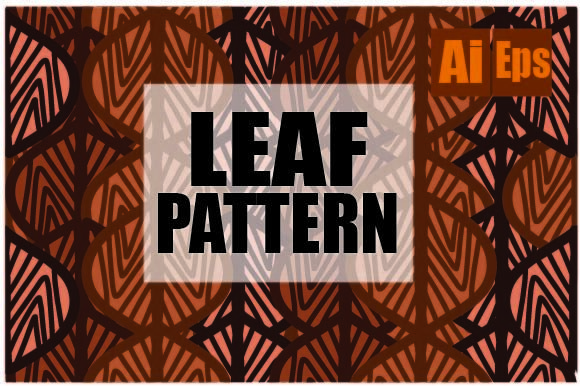
A Leaf Pattern Design Vector is more than just an artistic choice—it's a functional tool for designers. Unlike raster images, vector graphics maintain their clarity at any size, making them ideal for high-resolution prints, scalable web designs, and seamless patterns. The leaf motif, with its natural curves and intricate details, provides a sense of organic beauty that resonates with audiences across various industries.
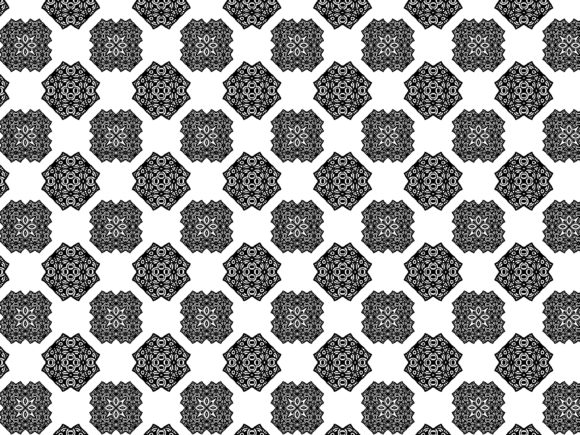
When paired with a Vector floral damask seamless pattern, the leaf design gains even more depth and versatility. These patterns are often used as backgrounds, textures, or accents in digital projects. Their seamless nature ensures they can be repeated without visible breaks, offering a clean and professional look.
Elegance Meets Functionality: The Art Nouveau Influence
The Art Nouveau movement, which flourished in the late 19th and early 20th centuries, played a significant role in shaping the aesthetic of modern leaf patterns. Characterized by flowing lines, floral motifs, and natural forms, Art Nouveau has seen a resurgence in contemporary design. Today, designers draw inspiration from this era to create elegant abstract art nouveau backgrounds that feel both classic and fresh.
This revival is not merely nostalgic—it reflects a growing appreciation for craftsmanship and detail in a fast-paced digital age. As users seek authenticity and visual richness, the integration of Art Nouveau elements into digital projects becomes increasingly appealing.
Why Leaf Patterns Are Making a Comeback
Several factors contribute to the renewed interest in leaf patterns:
- Natural Inspiration: In an era where sustainability and eco-consciousness are paramount, natural motifs like leaves resonate with audiences looking for authentic and meaningful designs.
- Versatility: Leaf patterns can be adapted to suit a wide range of applications, from fabric printing to website backgrounds, making them a valuable asset for designers and businesses alike.
- Timelessness: Unlike fleeting trends, leaf patterns have a lasting appeal. Their organic shapes and fluid lines transcend time, ensuring their continued relevance.
Practical Applications in Digital and Fabric Design
The Leaf Pattern Design Vector is particularly well-suited for digital needs, including but not limited to:
- Fabric Printing: Seamless patterns are essential for textiles, allowing for consistent repetition across garments and home décor items. A Classic flower motif texture combined with leaf patterns can create visually stunning fabrics that stand out in the market.
- Web and App Design: Backgrounds featuring leaf patterns add a touch of elegance without overwhelming the user interface. They can be used subtly to enhance the overall aesthetic of a site or application.
- Print Media: From business cards to packaging, leaf patterns offer a refined look that aligns with brand identity and customer expectations.
Designers should consider the context in which these patterns will be used. For instance, a bold leaf pattern might work well on a poster, while a more subdued version would be better suited for a website background.
Trends Shaping the Future of Pattern Design
As technology advances, so too do the tools available to designers. Software like Adobe Illustrator and online platforms offer robust options for creating and editing Vector floral damask seamless patterns. These tools enable greater precision, customization, and efficiency, allowing creators to experiment with complex designs that were once challenging to achieve manually.
Moreover, the rise of AI-driven design tools is opening new possibilities. While these tools can assist in generating initial concepts, the human touch remains irreplaceable. Designers must balance automation with creativity to ensure that the final product retains its artistic integrity and emotional resonance.
How to Incorporate Leaf Patterns Effectively
Here are a few practical tips for integrating leaf patterns into your projects:
- Use Subtlety: Avoid overwhelming your design with too many patterns. Use leaf motifs as accents or subtle backgrounds to maintain visual harmony.
- Experiment with Color: Play with different color palettes to match your brand or project theme. Monochromatic schemes can evoke sophistication, while vibrant colors can convey energy and vitality.
- Consider Scalability: Ensure that your leaf patterns are created in vector format to maintain quality at any size. This is especially important for print media and large-scale digital displays.
The Role of Leaf Patterns in Branding and Marketing
For businesses and marketers, the strategic use of leaf patterns can enhance brand identity and consumer engagement. A Leaf Pattern Design Vector can be incorporated into logos, packaging, and promotional materials to communicate values such as growth, renewal, and connection to nature.
Consumers today are more discerning and value experiences that feel authentic and meaningful. Brands that use leaf patterns effectively can tap into this sentiment, creating a stronger emotional connection with their audience.
Additionally, leaf patterns can be used to differentiate products in a crowded marketplace. By incorporating unique and elegant designs, businesses can stand out and leave a lasting impression.
Conclusion: Embracing the Beauty of Nature in Design
The Leaf Pattern Design Vector represents more than just a design element—it symbolizes a bridge between nature and modernity. Its versatility, elegance, and adaptability make it a valuable asset for designers, entrepreneurs, and creatives across various industries.
As we continue to navigate the digital age, the demand for meaningful and visually appealing designs will only grow. By embracing the timeless beauty of leaf patterns, we can create content and products that resonate deeply with our audiences, blending tradition with innovation in a way that feels both familiar and fresh.