Pattern Leaf Design: A Timeless Choice for Elegant and Versatile Floral Patterns
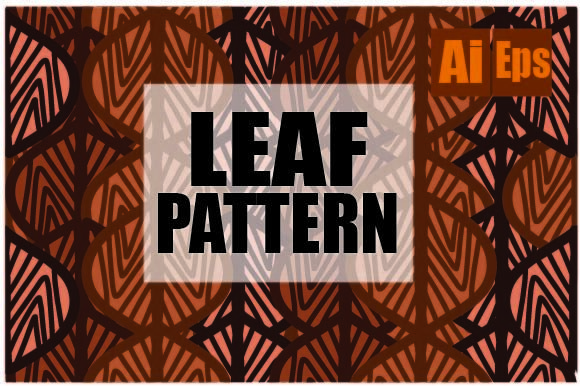
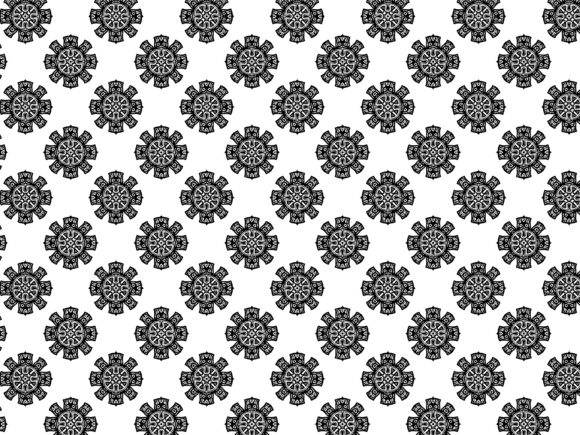
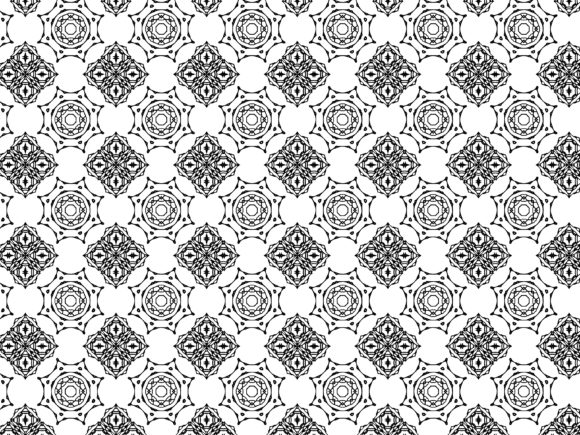
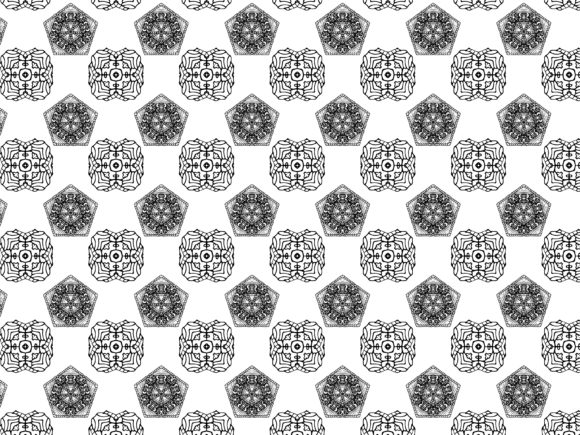
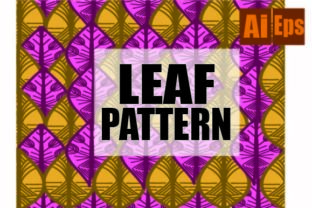
Pattern Leaf Design represents a sophisticated approach to textile and digital design, blending the organic beauty of botanical elements with the precision of modern graphic techniques. This style, particularly when rendered as a vector floral damask seamless pattern, offers a unique combination of elegance, versatility, and functionality. Whether you're designing fabric prints, website backgrounds, or branding materials, Pattern Leaf Design can serve as a powerful visual asset that resonates across multiple industries.
The Essence of Pattern Leaf Design
At its core, Pattern Leaf Design is centered around the leaf motif—often stylized in an abstract or art nouveau-inspired manner. These designs are not merely decorative; they carry a sense of refinement and historical influence that makes them suitable for both traditional and contemporary applications. The use of vector-based formats ensures scalability without loss of quality, making it ideal for digital projects ranging from web graphics to high-resolution print outputs.
What sets Pattern Leaf Design apart is its ability to maintain visual harmony while allowing for customization. Unlike rigidly defined patterns, these designs offer flexibility in terms of color schemes, spacing, and composition. This adaptability is especially valuable for professionals who need to tailor visuals to specific brand identities or project requirements.
Key Characteristics and Practical Value
Several characteristics define the effectiveness of Pattern Leaf Design:
- Seamless Repetition: Designed to repeat seamlessly, these patterns avoid visible breaks or misalignments, which is crucial for large-scale applications like wallpaper or fabric.
- Vector Format: Being vector-based, these designs remain crisp at any size, ensuring consistent quality whether used on a mobile screen or a billboard.
- Art Nouveau Influence: The flowing lines and intricate details reminiscent of the Art Nouveau movement give these patterns a timeless appeal that transcends trends.
- Minimalist Complexity: While visually rich, the compositions are often balanced and not overwhelming, making them suitable for a wide range of backgrounds and overlays.
This blend of attributes contributes to the practical value of Pattern Leaf Design. It allows designers to create cohesive visual systems without sacrificing aesthetic appeal. Its versatility also means it can be adapted for various industries—from fashion and interior design to digital marketing and publishing.
Real-World Applications and Performance
In real-world scenarios, Pattern Leaf Design has proven to be a reliable choice for several reasons. For instance, in the textile industry, the seamless nature of these patterns ensures that fabric prints remain uniform and visually appealing across different scales and textures. In digital contexts, such as website backgrounds or app interfaces, the clean lines and subtle detail of the leaf motifs provide a refined look without distracting users.
One notable strength is how well these designs perform under different lighting conditions and screen resolutions. Their low contrast and soft curves make them less likely to cause visual fatigue, which is a significant consideration for user experience (UX) design. Additionally, their classic appearance often evokes a sense of trust and professionalism, which can be advantageous for corporate branding or educational materials.
However, it's worth noting that the subtlety of these designs may not be suitable for all contexts. In highly dynamic or fast-paced environments, where bold visuals are preferred, Pattern Leaf Design might appear too understated. Understanding the balance between elegance and visibility is key to leveraging this style effectively.
Who Benefits Most from Pattern Leaf Design?
Pattern Leaf Design is particularly beneficial for professionals and creatives working in fields where visual sophistication and consistency are paramount. Here are some groups that may find this design especially useful:
- Interior Designers: Looking to add a touch of classic elegance to upholstery, curtains, or wall coverings.
- Fashion Designers: Seeking versatile patterns for clothing, accessories, or fabric collections.
- Web Developers and UX Designers: Wanting to incorporate subtle background textures that enhance aesthetics without disrupting content readability.
- Graphic Designers: Creating branding assets, packaging, or promotional materials that require a refined yet adaptable visual element.
- Educators and Publishers: Producing educational materials or books that benefit from a visually engaging yet professional layout.
These professionals often deal with diverse client needs and project scopes. Pattern Leaf Design provides a reliable foundation that can be tailored to suit individual preferences and project goals, offering both creative freedom and technical reliability.
Professional Observations and Recommendations
From a professional standpoint, Pattern Leaf Design is a well-crafted solution for those seeking to integrate natural elements into their work without compromising on modern design principles. When evaluating its suitability, consider the following:
- Color Compatibility: Ensure the chosen palette aligns with your overall design scheme. Monochromatic or muted tones tend to work best with these patterns.
- Application Context: Assess whether the design will be used in print, digital media, or mixed formats. Vector files are generally more versatile in this regard.
- Customization Needs: If you require frequent modifications, opt for editable vector files rather than pre-rendered images.
- License and Usage Rights: Always verify the licensing terms, especially if the design will be used commercially or distributed widely.
While Pattern Leaf Design excels in many areas, it's important to recognize its limitations. It may not be the best fit for projects requiring high contrast, bold imagery, or minimalistic approaches. However, for those who appreciate subtlety and sophistication, it remains an excellent choice.
In conclusion, Pattern Leaf Design offers a compelling blend of elegance, versatility, and practicality. Its ability to adapt to various contexts and maintain visual integrity makes it a valuable asset for professionals across multiple disciplines. By understanding its strengths and limitations, you can determine whether this design style aligns with your creative vision and project requirements.