Forest Herbs and Natural Seamless Patterns: A Guide to Nature-Inspired Design Elements
Understanding Forest Herbs and Their Role in Nature
Forest herbs are a diverse group of plants that thrive in the shaded, moist environments of forests. These herbs play a crucial role in maintaining the ecological balance of forest ecosystems. They contribute to soil health, provide food for wildlife, and support biodiversity. Some common examples include chamomile, valerian, and mullein. These plants have been used for centuries in traditional medicine due to their therapeutic properties.
However, beyond their medicinal uses, forest herbs also inspire design and creativity. This article explores how natural elements like forest herbs can be incorporated into seamless patterns, making them an essential resource for designers, artists, and educators alike.
The Power of Natural Seamless Patterns in Design
Seamless patterns are widely used in graphic design, textile production, and digital art. These patterns repeat seamlessly without visible edges, allowing for continuous visual coverage. When these patterns are inspired by nature, they bring a sense of calm, harmony, and authenticity to any project.
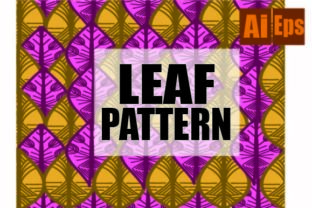
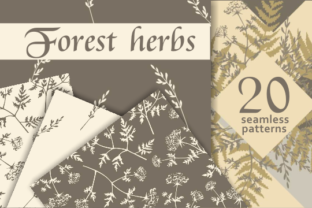
A collection of seamless patterns containing plant elements made in natural shades of nature is not only visually appealing but also versatile. Whether you're designing a website, creating a fabric pattern, or developing educational materials, such patterns can enhance your work with organic textures and colors.
What You Get in This Collection
- 1 AiCS2 file: This vector format allows you to edit colors and sizes according to your specific needs, ensuring flexibility in your design process.
- 20 PNG files (6200x6200 px): High-resolution images suitable for both print and digital use, providing clarity and detail.
- 20 JPEG preview files: These previews allow you to quickly assess the patterns before committing to full-resolution downloads.
This comprehensive package is ideal for professionals and hobbyists who want to incorporate natural elements into their creative projects without compromising on quality or customization options.
Why Use Natural Themes in Design?
Incorporating natural themes into design is more than just a trend; it's a reflection of our growing awareness of environmental sustainability and well-being. Studies have shown that natural elements can reduce stress, increase focus, and promote a sense of peace. This makes them particularly valuable in modern life, where people spend significant time indoors and in front of screens.
Designers often turn to nature-inspired visuals to create spaces and products that feel more connected to the environment. For instance, using seamless patterns with forest herb motifs can help create a calming atmosphere in interior design, branding, or even digital interfaces.
Applications Across Different Fields
- Interior Design: Natural patterns can be used in wallpapers, cushions, and rugs to create a serene and welcoming living space.
- Graphic Design: These patterns can be integrated into logos, packaging, and marketing materials to convey a sense of authenticity and eco-friendliness.
- Education: Teachers and educators can use these patterns in classroom materials to teach students about plant life, ecology, and environmental science in an engaging way.
- Creative Projects: Artists and illustrators can use these patterns as backgrounds or elements within their artwork to add depth and texture.
Whether you're working on a personal project or a professional one, these seamless patterns offer a wide range of possibilities. Their versatility ensures that they can be adapted to various contexts and industries.
How to Use This Pattern Collection Effectively
Using this collection of seamless patterns requires some basic understanding of design software. The included AiCS2 file allows for easy editing, making it simple to adjust colors, sizes, and other parameters to suit your needs. Here are a few tips to help you get started:
- Experiment with Color Schemes: While the patterns come in natural shades, you can modify them to match your brand colors or project theme.
- Combine Patterns: Try layering different patterns to create unique designs that reflect the complexity of natural environments.
- Use in Multiple Formats: The high-resolution PNG files are perfect for print, while the JPEG previews are great for quick reference and planning.
By taking advantage of the editable vector format, you can ensure that your designs remain scalable and adaptable, no matter the medium or application.
Common Misconceptions About Natural Patterns
One common misconception is that natural patterns are limited in their applications. In reality, they can be used in a wide variety of ways, from fashion to technology. Another misconception is that they are difficult to integrate into modern design aesthetics. However, with the right approach, natural patterns can complement contemporary styles and enhance visual appeal.
It's also important to note that these patterns are not just for decorative purposes. They can serve functional roles, such as improving readability in educational materials or enhancing user experience in digital interfaces.
The Broader Impact of Nature-Inspired Design
Nature-inspired design has a broader impact beyond aesthetics. It encourages sustainability, promotes mindfulness, and fosters a deeper connection with the environment. As more people become aware of the benefits of eco-friendly practices, the demand for natural themes in design continues to grow.
By incorporating elements like forest herbs into seamless patterns, we can create designs that not only look beautiful but also carry meaningful messages about conservation, health, and well-being. This makes them an excellent choice for businesses and individuals who want to align their work with environmental values.
Whether you're a designer, educator, or simply someone interested in the intersection of nature and creativity, this collection offers a valuable resource. It provides a foundation for exploring the beauty of the natural world while empowering you to express your ideas through innovative and sustainable design.
Final Thoughts
Forest herbs and natural seamless patterns represent a powerful combination of ecological significance and artistic expression. By understanding the role of these elements in both nature and design, we can appreciate their value in shaping our surroundings and influencing our daily lives.
As you explore this collection, remember that the goal is not just to create visually appealing designs but to foster a greater appreciation for the natural world. With the right tools and inspiration, you can make a meaningful contribution to the field of design while promoting environmental consciousness.