Exploring the Aesthetic and Functional Uses of Raindrops, Rain Print Patterns, and Water Art
The Visual Language of Rain: Understanding Raindrop Design Elements
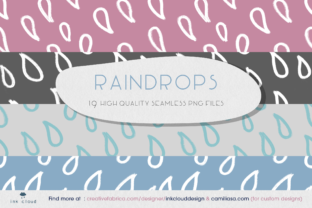
Raindrops have long been a source of inspiration in visual design, offering a unique blend of natural beauty and dynamic movement. When translated into digital formats such as Rain Print Pattern, these elements take on new life, becoming versatile assets for creative projects. The interplay of light, water, and surface creates a rich tapestry that designers can harness to evoke emotion and convey meaning.
Raindrops are not just fleeting moments in nature; they serve as powerful symbols in art and design. Their irregular shapes, reflective surfaces, and transient nature make them ideal for creating depth and texture in visual compositions. This is where Water Art comes into play, allowing artists and designers to capture the essence of rain in a way that is both visually compelling and technically precise.
The Role of Color in Raindrop-Related Designs
Color plays a crucial role in how raindrop designs are perceived and utilized. From the deep blues of stormy skies to the soft grays of a drizzle, color variations can dramatically alter the mood and impact of a design. High-quality PNG files featuring Rain Print Pattern often include multiple color options, enabling users to choose the most suitable palette for their project.
Designers working with Water Art must consider how different colors interact with the transparency and reflectivity of water elements. For instance, a vibrant teal might create a sense of calm, while a darker navy could suggest intensity or mystery. These choices influence everything from branding materials to digital interfaces, making color selection an essential part of the design process.
Practical Applications of Rain Print Patterns and Water Art
The versatility of Rain Print Pattern makes it applicable across a wide range of industries. In fashion design, for example, these patterns can be used to create unique textiles that mimic the look of rain-soaked fabrics. Similarly, in graphic design, Water Art elements can add a layer of realism to illustrations, advertisements, and web content.
Business owners looking to enhance their brand identity may find value in incorporating Raindrops into their visual strategy. Whether through logos, packaging, or marketing collateral, these elements can help convey a sense of freshness, renewal, or even resilience—qualities that resonate well with many audiences.
Use Cases Across Different Industries
- Interior Design: Rain Print Patterns can be used to create calming, nature-inspired spaces. Textured wallpapers or decorative panels featuring Water Art can transform a room into a serene retreat.
- Digital Media: Web developers and app designers can integrate Raindrops as background elements or interactive features, enhancing user engagement without overwhelming the interface.
- Education: Educators can use Water Art to teach students about weather patterns, ecosystems, and environmental science in a visually engaging way.
- Art Therapy: The soothing nature of Rain Print Pattern can be beneficial in therapeutic settings, helping individuals relax and focus during creative sessions.
Creating and Implementing High-Quality Raindrop Designs
For those interested in creating their own Rain Print Pattern, understanding the technical aspects is key. High-quality PNG files offer the clarity and detail needed for professional use, whether for print or digital media. These files typically come in various resolutions and formats, ensuring compatibility with a wide range of software and platforms.
Designers should also consider the scalability of Water Art elements. While a small-scale pattern may look great on a website banner, it needs to maintain its integrity when scaled up for larger applications like billboards or signage. Ensuring that the design remains crisp and clear at any size is essential for maintaining visual consistency.
Tools and Techniques for Designers
There are several tools available for creating and editing Raindrops and Water Art. Programs like Adobe Photoshop and Illustrator offer advanced features for manipulating textures and colors, while free alternatives like GIMP and Inkscape provide accessible options for beginners. Online generators can also be useful for quickly creating basic Rain Print Pattern templates.
When working with Water Art, experimenting with layering techniques can yield stunning results. By combining transparent overlays with base images, designers can achieve a more realistic and dynamic effect. This approach allows for greater control over lighting, shadows, and reflections, all of which contribute to the overall aesthetic.
Considerations for Using Rain Print Patterns and Water Art
While Raindrops and Water Art offer numerous benefits, there are also important considerations to keep in mind. One of the primary concerns is copyright and licensing. Many high-quality PNG files are available for purchase or download, but it's crucial to understand the terms of use to avoid legal issues.
Another consideration is the cultural context of using Rain Print Pattern. In some cultures, rain is associated with fertility and growth, while in others, it may symbolize sadness or melancholy. Designers should be mindful of these associations when selecting and applying Water Art elements to ensure that the intended message is conveyed accurately.
Educational and Research Opportunities
Researchers and educators can benefit greatly from exploring the intersection of Raindrops and Water Art. Studies on how people perceive natural elements in design can lead to insights about human psychology and aesthetics. Additionally, analyzing historical uses of rain in art can provide valuable context for modern design practices.
For hobbyists and creators, experimenting with Rain Print Pattern offers a fun and rewarding way to explore personal artistic expression. Whether through painting, photography, or digital illustration, the possibilities are endless when working with the visual language of rain.
Trends and Future Directions in Rain-Inspired Design
As technology continues to evolve, so too does the potential for Water Art and Rain Print Pattern. Advances in augmented reality (AR) and virtual reality (VR) are opening new avenues for immersive experiences that incorporate rain-related visuals. These technologies allow for interactive environments where users can engage with rain effects in real-time, creating a more dynamic and responsive design experience.
Additionally, sustainability is becoming an increasingly important factor in design. As awareness of environmental issues grows, there is a rising demand for eco-friendly materials and processes. This includes the use of recycled or biodegradable inks and substrates for Rain Print Pattern applications, aligning design practices with broader ecological goals.
In conclusion, the world of Raindrops, Rain Print Pattern, and Water Art is rich with opportunities for creativity, innovation, and practical application. Whether you're a professional designer, a hobbyist, or someone simply curious about the intersection of nature and art, there is much to explore and discover in this ever-evolving field.