100 Stopwatch Pattern Digital Papers: Strategic Tools for Visual Planning and Design
Designing with intention is a powerful way to align visuals with strategic goals. The 100 Stopwatch Pattern Digital Papers offer a unique opportunity to enhance your creative projects, presentations, or branding efforts with structured, high-quality visual elements. These digital papers are more than just decorative—they are tools that can support clarity, focus, and precision in your work.
Understanding the 100 Stopwatch Pattern Digital Papers
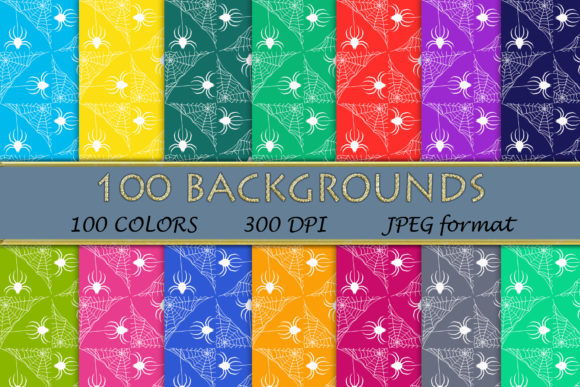
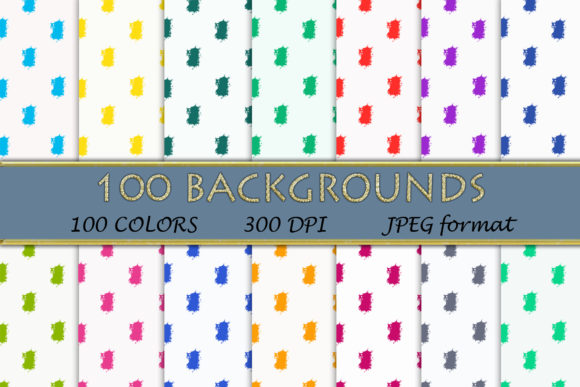
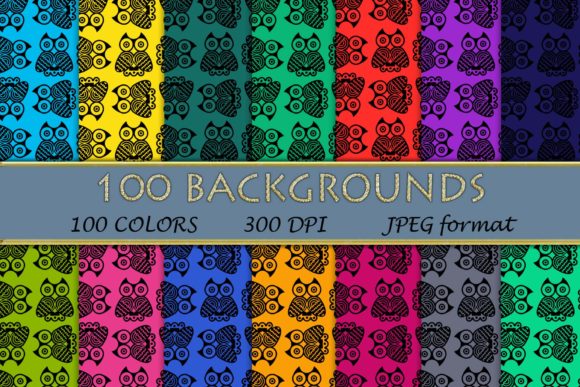
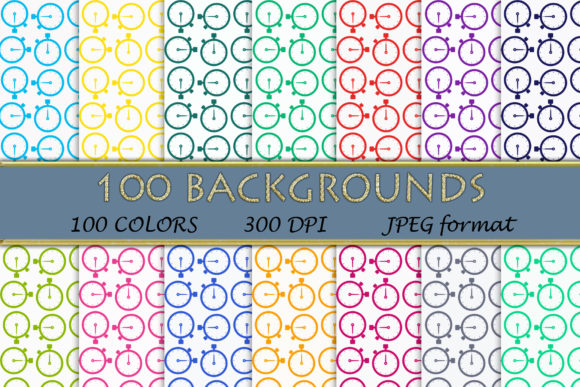
The 100 Stopwatch Pattern Digital Papers are a collection of 100 distinct patterns, each designed with a stopwatch motif. These patterns are not seamless, which means they are ideal for backgrounds where repetition might be distracting. Each pattern is available in JPEG format, at a high resolution of 300 DPI, and sized at 3600×3600 pixels (12x12 inches). All files are compressed into one zip folder for easy access and organization.
What makes this collection valuable is its diversity. With 100 individual designs, you have the flexibility to choose a pattern that matches the tone, purpose, or aesthetic of your project. Whether you're working on marketing materials, educational resources, or professional reports, these digital papers provide a consistent yet varied visual foundation.
Strategic Use Cases for the 100 Stopwatch Pattern Digital Papers
These digital papers can serve multiple purposes across various industries and roles. Here are some practical use cases:
- Presentations and Reports: Use them as background textures for slides or documents to add a subtle, structured feel without overwhelming the content.
- Marketing Materials: Incorporate them into brochures, flyers, or social media graphics to reinforce themes of time management, productivity, or goal-oriented thinking.
- Branding and Identity: Choose a pattern that reflects your brand’s personality—whether it's precise, dynamic, or focused—and use it consistently across touchpoints.
- Learning Resources: Integrate them into educational materials, such as worksheets or study guides, to create a visually engaging learning environment.
- Product Packaging: Apply them to packaging designs where a clean, modern look with a hint of structure is desired.
By selecting the right pattern for the right context, you can ensure that your visuals support your message rather than distract from it.
Planning Your Approach to Using the Collection
Before diving into using the 100 Stopwatch Pattern Digital Papers, consider the following steps to ensure they align with your goals:
- Define Your Purpose: What is the primary goal of your project? Is it to inform, persuade, inspire, or educate? This will help determine which patterns best fit your needs.
- Assess the Context: Consider the audience, platform, and medium. A pattern that works well for a print brochure may not be suitable for a digital infographic.
- Test and Iterate: Experiment with different patterns to see how they interact with your content. Pay attention to contrast, legibility, and overall harmony.
- Establish Consistency: Once you've selected a pattern, use it consistently throughout your project to maintain a cohesive visual identity.
This approach ensures that your use of the 100 Stopwatch Pattern Digital Papers is intentional and aligned with your broader objectives.
Risks of Random Selection and How to Avoid Them
While the 100 Stopwatch Pattern Digital Papers offer great versatility, using them without clear direction can lead to visual clutter or misalignment with your intended message. For example, choosing a busy pattern for a minimalist design could undermine the overall aesthetic.
To avoid these pitfalls, always ask yourself:
- Does this pattern enhance the message or distract from it?
- Is it appropriate for the audience and context?
- Will it maintain consistency across all platforms and formats?
By addressing these questions upfront, you can make more informed decisions and maximize the value of your digital paper collection.
Practical Examples and Tips for Integration
Here are a few examples of how you can integrate the 100 Stopwatch Pattern Digital Papers into your workflow:
Example 1: If you're creating a presentation about project timelines, select a pattern that subtly reinforces the theme of time and progress. Use it as a background for charts or infographics to create a cohesive look.
Example 2: When designing a productivity app landing page, use one of the patterns as a background for your call-to-action section. The stopwatch motif can reinforce the app's focus on efficiency and time management.
Tip: Pair the patterns with solid colors or gradients to balance the design and ensure text remains readable.
Tip: Use the same pattern across multiple assets (e.g., email headers, website banners, and social media posts) to build brand recognition and visual continuity.
Long-Term Value and Strategic Thinking
The 100 Stopwatch Pattern Digital Papers are more than just a one-time purchase—they are an investment in your ability to create visually compelling content over time. By having a diverse set of patterns at your disposal, you can adapt your designs to changing trends, new projects, and evolving brand strategies.
Consider building a library of preferred patterns that align with your brand or personal style. This allows you to streamline your design process and maintain a consistent visual language across all your work.
Additionally, the high-resolution format ensures that your designs remain crisp and professional, whether printed or displayed digitally. This makes the collection particularly useful for professionals who require precision in their visual output.
Conclusion
The 100 Stopwatch Pattern Digital Papers offer a versatile and strategic resource for anyone looking to enhance their design capabilities. Whether you're an entrepreneur, marketer, educator, or creative professional, these patterns can support your goals by providing a structured yet flexible visual foundation.
By using them thoughtfully and intentionally, you can elevate your projects, communicate more effectively, and achieve better results. Remember, the key is to align your choices with your broader objectives and maintain a consistent, purposeful approach to design.