100 Spider Web Pattern Digital Papers: Strategic Design for Professional and Creative Use
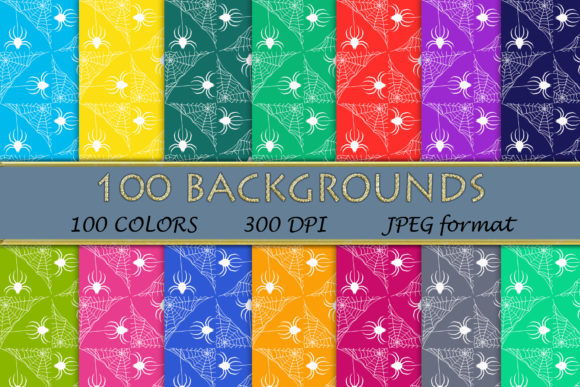
Design elements are more than aesthetic choices—they are strategic tools that can influence perception, communication, and outcomes. The 100 Spider Web Pattern Digital Papers collection offers a unique opportunity to enhance visual content with intricate, non-seamless patterns that add texture, depth, and character to digital projects. These high-resolution JPEG files, available in 100 distinct colors, provide creators, marketers, and professionals with a versatile resource for backgrounds, branding, and creative outputs.
Understanding the Value of Spider Web Patterns
The spider web pattern is a design motif that evokes complexity, interconnectivity, and detail. Unlike seamless patterns that repeat without interruption, these spider web designs offer a more organic feel, making them ideal for projects that require visual interest without the risk of repetition or predictability.
Each of the 100 Spider Web Pattern Digital Papers is crafted at 300 DPI resolution with dimensions of 3600×3600 pixels, ensuring crisp clarity whether used for print or digital media. The inclusion of all files in a single zip folder simplifies organization and accessibility, allowing users to quickly locate and apply the desired pattern to their work.
Strategic Applications Across Industries
The use of spider web patterns is not limited to artistic endeavors. Their intricate nature makes them suitable for a variety of professional contexts:
- Branding: Incorporating spider web patterns into logos, packaging, or website backgrounds can create a sense of uniqueness and sophistication. The patterns add subtle texture that can differentiate a brand from competitors.
- Marketing Materials: Brochures, social media graphics, and email templates benefit from the visual richness of these patterns. They can be layered beneath text or imagery to enhance overall design without overwhelming the viewer.
- Presentations and Reports: Business presentations often rely on clean, minimalist designs. However, adding a spider web pattern as a background can introduce a level of detail that supports complex data visualization without distracting from key messages.
- Education and Learning Tools: Educators can use these patterns to create visually engaging study guides, infographics, or interactive learning modules. The patterns can help break up large blocks of text and make information more digestible.
When and How to Use Spider Web Patterns Effectively
While the 100 Spider Web Pattern Digital Papers offer immense flexibility, they should be used with intention. Consider the following factors before incorporating them into your project:
- Context and Purpose: Assess whether the pattern aligns with the tone and message of your content. A spider web pattern may be appropriate for a tech startup aiming to convey innovation and complexity but might not suit a minimalist fashion brand.
- Contrast and Readability: Ensure that the chosen color of the pattern provides sufficient contrast against text or images. For example, a dark spider web pattern on a white background may reduce readability if not properly balanced with text color and size.
- Layering Techniques: Experiment with transparency and layering to integrate the pattern seamlessly. Using a semi-transparent overlay can add depth without overpowering the primary content.
Planning for Long-Term Use and Brand Consistency
For businesses and creators aiming to maintain consistent visual identity across multiple platforms, it's essential to plan how spider web patterns will be used over time. Here are some strategic considerations:
Establish a Pattern Palette: Choose a subset of spider web patterns that align with your brand’s color scheme and visual language. This ensures consistency while still allowing for variation and creativity.
Document Usage Guidelines: If working with a team, document how and when each pattern should be applied. This helps prevent misuse and maintains a cohesive look across all materials.
Test Across Devices: Ensure that the patterns render well on different screen sizes and resolutions. High-resolution files like those in the 100 Spider Web Pattern Digital Papers collection are designed for this purpose, but testing remains crucial.
Risks of Inappropriate or Overuse
While spider web patterns offer creative possibilities, their misuse can lead to negative outcomes. Overusing them may result in cluttered visuals that confuse or distract audiences. Additionally, using a pattern that doesn't align with the intended message can dilute the impact of your content.
To avoid these pitfalls, approach pattern selection with the same rigor as any other design decision. Ask yourself: Does this pattern support the goal? Does it enhance rather than obscure the message? Is it consistent with the overall brand identity?
Maximizing the Potential of Your Collection
The 100 Spider Web Pattern Digital Papers are not just a one-time purchase—they are an investment in versatility and creativity. To get the most out of your collection, consider the following tips:
- Create a Resource Library: Organize the patterns by color, complexity, and use case. This makes it easier to find the right pattern quickly when working on new projects.
- Experiment with Customization: While the patterns are provided as-is, you can further customize them using graphic design software. Adjusting opacity, blending modes, or applying filters can yield unique effects tailored to your needs.
- Integrate into Workflow: Make the patterns part of your standard design workflow. Whether you're creating marketing collateral, presentation slides, or educational content, having access to a diverse set of textures can elevate your output.
Conclusion: Intentional Design for Better Outcomes
The 100 Spider Web Pattern Digital Papers represent a powerful tool for professionals and creatives seeking to enhance their visual communication. By understanding their potential, planning their use strategically, and applying them thoughtfully, you can transform your digital content into something more engaging, professional, and impactful.
Remember, the goal of design is not just to look good—it’s to communicate effectively and achieve results. With careful consideration and intentional application, these spider web patterns can become a valuable asset in your creative toolkit.