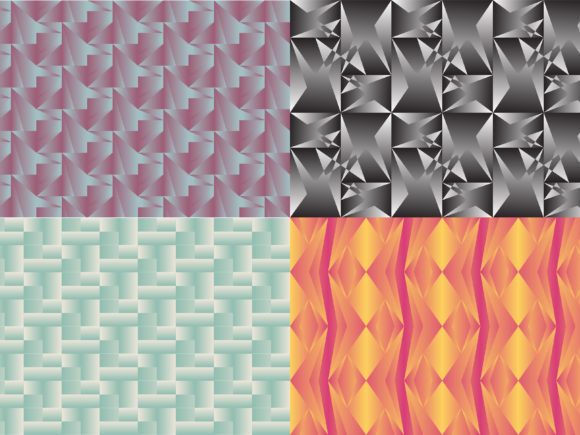
Strategic Use of Seamless Pattern Bundling Background for Design and Branding
Seamless pattern bundling background is a powerful design asset that offers versatility across multiple industries. Whether you're working on digital interfaces, physical products, or branding materials, this collection provides consistent visual appeal without the need for complex design work. By understanding how to apply seamless patterns strategically, professionals can enhance their creative output, streamline workflows, and improve overall brand perception.
Understanding Seamless Pattern Bundling Background
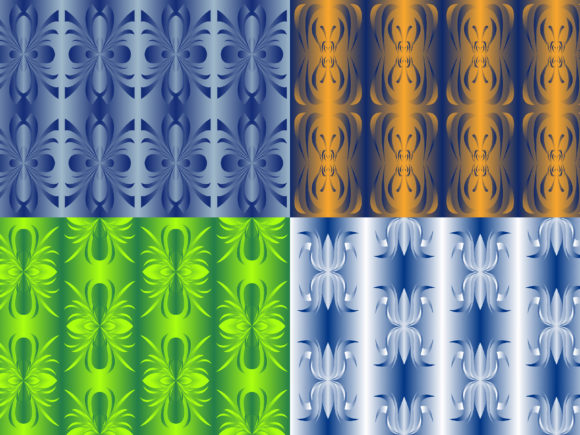
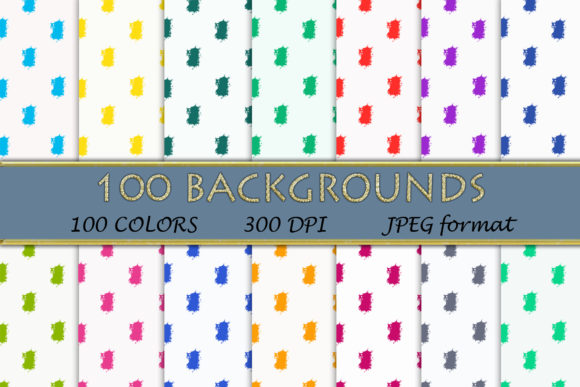
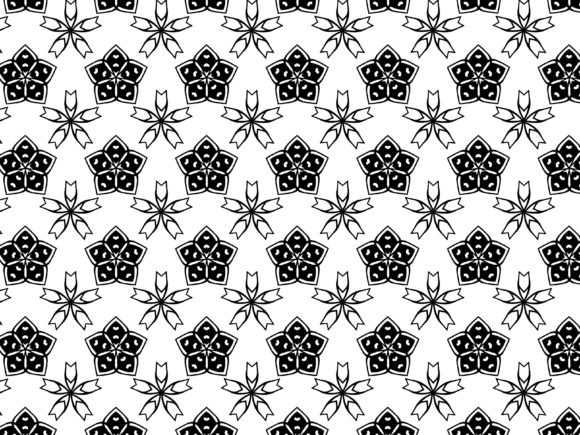
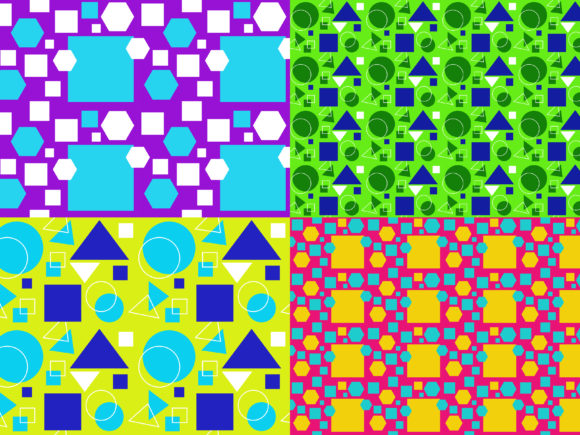
A seamless pattern bundling background refers to a set of repeating designs that can be used as a continuous image without visible edges. These backgrounds are typically available in JPG and AI file formats, making them suitable for both digital and print applications. The key benefit lies in their ability to provide a cohesive look across different platforms and mediums.
The collection includes a variety of styles ranging from geometric shapes to organic textures, ensuring there's something to suit nearly every project. This diversity allows designers and marketers to select the most appropriate pattern based on the intended use, target audience, and brand identity.
Strategic Applications Across Industries
The strategic use of seamless pattern bundling backgrounds can significantly impact various sectors. In web design, these backgrounds contribute to a clean, professional appearance that enhances user experience. For fabric and textile design, they offer an easy way to create visually appealing prints without the complexity of custom artwork.
In the realm of gift wrapping paper, seamless patterns provide a consistent aesthetic that aligns with seasonal themes or brand colors. Similarly, home decor items such as cushions, curtains, and wall coverings benefit from the uniformity and elegance that these patterns bring.
For cosmetics and food branding, seamless patterns help establish a recognizable visual identity that reinforces brand values. The right pattern can evoke emotions, communicate product qualities, and differentiate a brand from competitors.
Planning and Implementation Considerations
Before incorporating seamless pattern bundling backgrounds into a project, it's essential to consider several factors. First, define the purpose of the background—whether it's for branding, packaging, or digital content. This will guide the selection of appropriate patterns and ensure alignment with overall goals.
Next, evaluate the target audience. Understanding their preferences and expectations helps in choosing patterns that resonate with them. For example, minimalist patterns may appeal more to a modern, professional demographic, while intricate designs might attract those interested in artisanal or vintage aesthetics.
Additionally, consider the context in which the pattern will be used. A subtle background pattern works well for websites where readability is crucial, whereas bold and vibrant patterns can make a statement in product packaging or promotional materials.
Practical Examples and Use Cases
Let's explore some practical examples of how seamless pattern bundling backgrounds can be applied effectively:
- Web Design: Use a soft, neutral pattern as a background for landing pages to create a calming effect without distracting from content.
- Product Packaging: Apply a textured pattern to packaging to add depth and visual interest, enhancing the perceived value of the product.
- Brand Identity: Incorporate a unique pattern into logos, business cards, and marketing collateral to build brand recognition and consistency.
- Home Decor: Choose a pattern that complements the room's color scheme and style, using it on throw pillows, rugs, or wall art.
These examples illustrate how thoughtful application of seamless patterns can lead to better design outcomes and stronger brand messaging.
Risks of Using Seamless Patterns Without Strategy
While seamless pattern bundling backgrounds offer numerous benefits, their misuse can lead to negative outcomes. Overcomplicating a design with too many patterns can result in visual clutter and confusion. It's important to maintain balance and ensure that the pattern supports rather than detracts from the primary message or function of the design.
Another risk is selecting a pattern that doesn't align with the brand's identity or the intended audience. This mismatch can dilute brand messaging and reduce the effectiveness of the design. Therefore, it's crucial to approach pattern selection with intention and clarity.
Decision-Making Guidance for Effective Use
To use seamless pattern bundling backgrounds effectively, follow these strategic steps:
- Define Objectives: Clearly outline what you aim to achieve with the pattern—brand awareness, customer engagement, or aesthetic enhancement.
- Research Audience Preferences: Understand the tastes and expectations of your target audience to choose a pattern that resonates with them.
- Test Different Options: Experiment with various patterns to see which one best fits your needs and delivers the desired outcome.
- Ensure Consistency: Maintain a consistent use of the chosen pattern across all touchpoints to reinforce brand identity and create a unified experience.
- Evaluate Outcomes: Continuously assess the impact of the pattern on your design and adjust as needed based on feedback and performance metrics.
By following these guidelines, professionals can harness the power of seamless pattern bundling backgrounds to achieve better results and drive long-term success.
Conclusion: Elevating Design Through Strategic Application
Seamless pattern bundling backgrounds are more than just decorative elements—they are strategic tools that can elevate design quality and support broader business objectives. When used intentionally, they enhance visual appeal, strengthen brand identity, and improve user experience across various industries.
By considering the purpose, audience, and context of each project, professionals can make informed decisions about pattern selection and application. This approach ensures that seamless patterns not only look good but also serve a functional role in achieving desired outcomes.