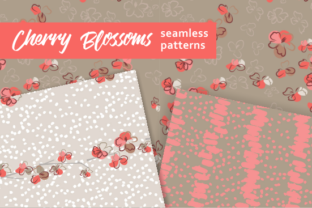
Cherry Blossoms in Design
Cherry Blossoms, with their delicate petals and soft hues, have long inspired artists, designers, and creatives across cultures. In modern graphic design, these floral motifs are more than just decorative—they serve as powerful tools for visual storytelling and brand expression. When combined with warm natural shades, Cherry Blossoms evoke a sense of elegance and tenderness that can elevate any creative project. This unique blend of bright pink and earthy tones offers a versatile palette that adapts seamlessly to various design contexts, from branding to digital marketing.
Elegance in Color and Composition
The combination of bright pink and warm natural shades creates a visually striking contrast that is both soothing and vibrant. These colors work well together to convey themes of renewal, grace, and beauty—key elements in branding and visual communication. Whether you're designing a logo, social media post, or packaging, the Cherry Blossom motif can add a layer of sophistication and cultural resonance.
Designers often use such color schemes to create harmony between text and background, ensuring readability without sacrificing aesthetics. The warmth of natural tones like beige, brown, and olive complements the softness of pink, making it an excellent choice for minimalist and maximalist designs alike.
Practical Applications in Graphic Design
The versatility of Cherry Blossoms makes them suitable for a wide range of applications. Here are some practical ways to incorporate this motif into your design workflow:
- Branding and Logo Design: Use subtle Cherry Blossom illustrations to reflect a brand's identity and values, especially if the brand is associated with nature, wellness, or Japanese culture.
- Social Media Graphics: Create eye-catching posts with Cherry Blossom patterns that align with seasonal campaigns or product launches.
- Web and UI Design: Incorporate Cherry Blossom backgrounds or icons to enhance user experience and provide a calming visual environment.
- Packaging Design: Use Cherry Blossom motifs to make products stand out on shelves while maintaining a premium feel.
Choosing the Right Assets for Your Project
When selecting design assets like vector files or high-resolution images, consider how they will be used. A set that includes an AI file and multiple PNG and JPEG formats ensures flexibility and scalability. You can edit colors and sizes easily, which is crucial for maintaining consistency across different platforms and mediums.
For example, using an AI file allows for precise adjustments to color palettes, making it easier to match the Cherry Blossom theme with your brand’s existing color system. High-resolution PNGs are ideal for print and web use, ensuring clarity at any size.
Additionally, preview JPEGs help in quickly assessing how the design will look before finalizing the layout. This is particularly useful in fast-paced environments like digital marketing, where time-to-market is essential.
Tips for Effective Use of Cherry Blossom Motifs
To ensure your design remains professional and impactful, keep the following tips in mind:
- Use Cherry Blossom elements sparingly to avoid overwhelming the viewer. Balance is key when integrating intricate patterns.
- Ensure the chosen color palette aligns with your brand identity and audience expectations. A mismatched palette can confuse users or dilute your message.
- Test the design across different devices and screen sizes to maintain visual integrity in UI/UX contexts.
- Pair Cherry Blossom imagery with appropriate typography to reinforce the tone of your message. Serif fonts may add a classic feel, while sans-serif fonts offer modernity.
Thoughtful integration of Cherry Blossom elements can transform a simple design into a memorable visual experience. By understanding the emotional and aesthetic impact of this motif, designers can craft compelling visuals that resonate with audiences and support broader brand goals. Quality creative assets not only enhance aesthetics but also contribute significantly to effective communication and user engagement in every design context.